
Favorite Yard Drainage Products For Effective Water Control
Select from our curated list of popular drainage options that provide reliable water flow management for any yard size.
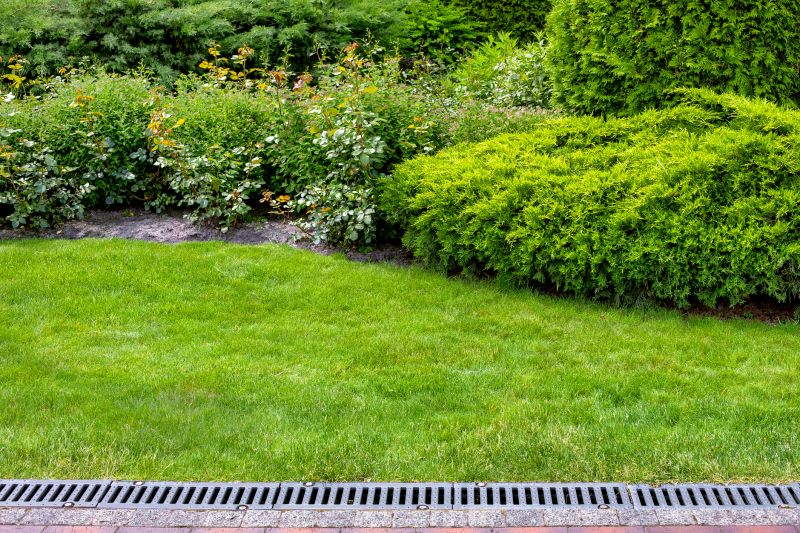 Effective yard drainage solutions are essential for maintaining a healthy and functional outdoor space. Proper drainage prevents water from pooling around foundations, reduces soil erosion, and protects landscaping from water damage. When selecting drainage products, it is important to consider the specific needs of your yard, including soil type, slope, and the severity of water accumulation. Installing the right drainage system can help manage excess water efficiently, promoting a safer and more enjoyable outdoor environment.
Top Overall Option
Flexible Corrugated Drain Pipe
A versatile and durable drainage pipe that adapts easily to various yard layouts. Its flexibility allows for simple installation around curves and obstacles, making it suitable for many drainage projects. Designed to withstand outdoor conditions, it helps channel water away efficiently when combined with proper fittings and gravel bedding.
Types of Products For Yard Drainages
Perforated Drain Pipe
A pipe with small holes that allows water to enter and be directed away from problem areas, ideal for French drains and subsurface drainage.
Drainage Gravel
Clean, coarse gravel used to surround drainage pipes, facilitating water flow and preventing pipe clogging.
French Drain Kits
Complete kits that include perforated pipe, gravel, and fabric to create an effective underground drainage system.
Drainage Fabric
Permeable fabric that prevents soil and debris from clogging drainage pipes and gravel beds.
Surface Drain Grates
Grates that cover surface-level drains, directing water runoff away from walkways and patios.
Channel Drain Systems
Linear drainage systems designed to collect and redirect surface water from large areas like driveways and patios.
Rain Gardens and Bioretention Areas
Designed planting areas that absorb and filter excess water naturally, reducing runoff.
Landscape Grading Tools
Equipment and products used to shape the yard’s slope for optimal water runoff.
Flexible Drainage Pipes
Flexible piping options that conform to yard contours, facilitating easy installation in tight spaces.
Water Diverters and Splash Blocks
Devices that direct water away from foundations and walkways, protecting structures and surfaces.
Subsurface Drainage Systems
Underground piping solutions designed for extensive drainage needs in larger yards.
Drainage Baskets and Catch Basins
Components that collect surface water and direct it into drainage pipes, preventing flooding.
Drainage Pumps
Electric pumps used to remove accumulated water from basements, crawl spaces, or low-lying areas.
Soil Stabilization Grids
Reinforcement products that improve soil stability and facilitate water drainage.
Drainage Inlets and Outlets
Connectors that facilitate the entry and exit of water in various drainage systems.
Popular Choices
Widely used for underground drainage projects, suitable for French drains and perimeter drainage.
Commonly used with pipes to enhance water flow and prevent clogging in drainage systems.
All-in-one solutions for installing underground drainage pathways efficiently.
Popular for managing surface water in driveways and patios, preventing pooling.
Effective for directing rainwater runoff from walkways and landscaped areas.
Natural landscaping features that help absorb excess water and reduce runoff.
Used to prevent soil intrusion into drainage systems, maintaining efficiency.
Devices that help redirect water flow away from sensitive structures.
Electric pumps commonly used to remove water from basements or low spots.
Essential for subsurface water management in larger or more complex yard layouts.
Popular for collecting surface runoff and preventing flooding in high-traffic areas.
Tools used to shape yard contours for optimal water runoff.
Drainage systems can vary widely in design and complexity. Some solutions are simple, such as surface drains that channel water away from problem areas, while others involve underground piping to redirect water flow over longer distances. The choice depends on the size of the yard, the severity of drainage issues, and budget considerations. Proper installation and maintenance are key to ensuring these systems function effectively over time.
In addition to traditional drainage pipes and gravel beds, there are innovative options like permeable pavers and landscape grading products that facilitate natural water absorption and runoff management. Combining different types of drainage products can often yield the best results, especially in yards with challenging terrain. Consulting with drainage specialists or landscape professionals can help identify the most suitable solutions for your outdoor space.
Whether you are addressing a minor water pooling issue or designing a comprehensive drainage plan, understanding the variety of available products and their applications is crucial. With the right combination of products and proper installation, you can significantly improve your yard’s water management, reduce potential damage, and create a more functional outdoor environment.
Key Buying Considerations
- Assess the severity and source of drainage issues in your yard.
- Determine whether surface or subsurface drainage solutions are needed.
- Consider the size and layout of the area requiring drainage management.
- Evaluate soil type and permeability to select appropriate drainage products.
- Check compatibility of different components like pipes, fittings, and gravel.
- Ensure materials are durable and suitable for outdoor exposure.
- Plan for proper installation, including grading and positioning of outlets.
- Consider ease of maintenance and accessibility of the drainage system.
- Estimate the overall budget, including materials and possible professional installation.
- Review local regulations or guidelines related to drainage system installation.
- Think about future yard modifications that may impact drainage design.
- Select products that are compatible with existing landscaping features.
- Prioritize systems that allow for expansion or upgrades if needed.
- Evaluate the environmental conditions such as freeze-thaw cycles if applicable.
- Consult with drainage or landscaping professionals for expert advice.